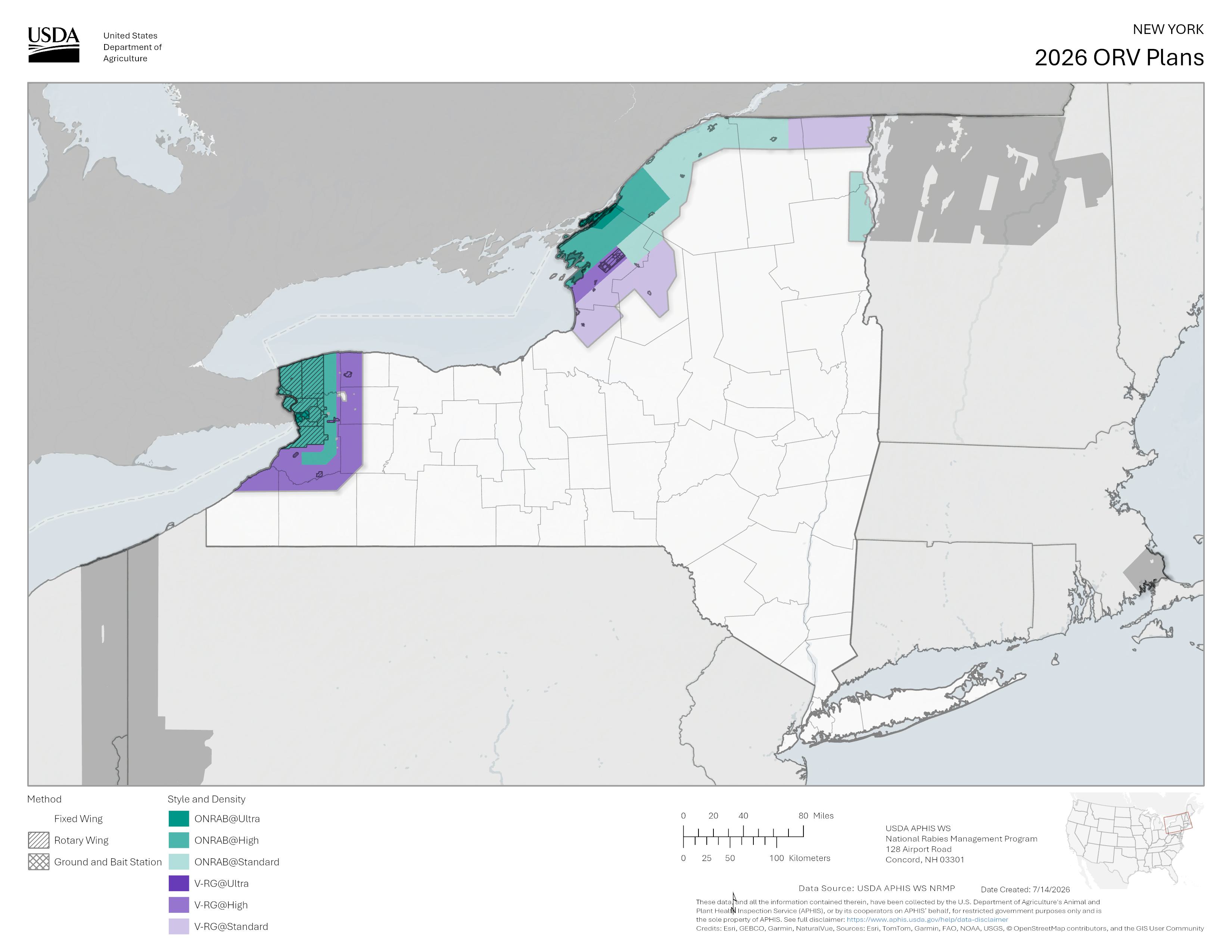
AKWESASNE – (Seskéha/August 4, 2026) The Saint Regis Mohawk Tribe is sharing information from the U.S. Department of Agriculture (USDA), Animal and Plant Health Inspection Service (APHIS), Wildlife Services regarding an upcoming Oral Rabies Vaccination (ORV) program that will take place in northern New York during August 2026. USDA's National Rabies Management Program (NRMP) uses oral rabies vaccine baits to help prevent the spread of rabies among raccoons and other wildlife populations. Rabies is a deadly disease that can be fatal to the nervous system of animals and humans if left untreated.
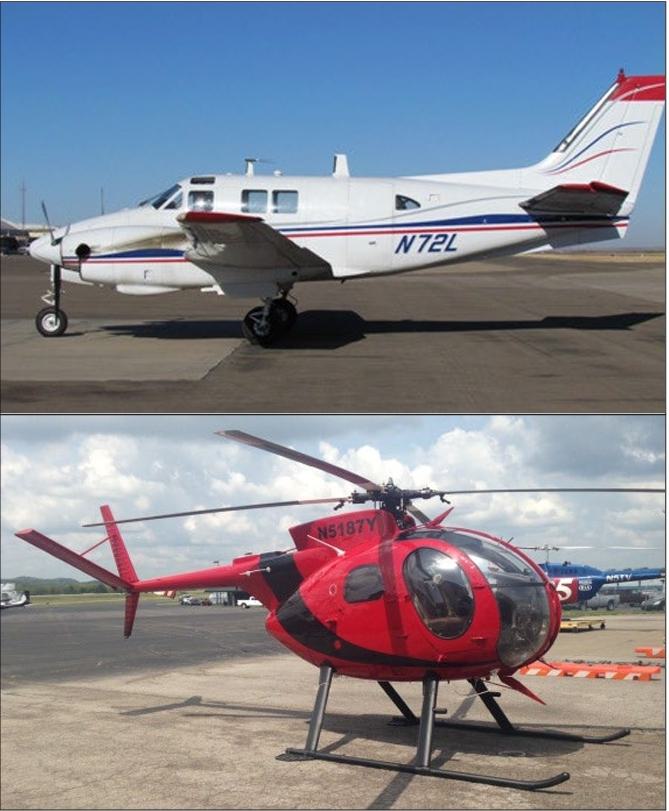
As part of the program, fixed-wing aircraft, helicopters, and vehicles will be used to distribute vaccine baits across large geographic areas. Operations based out of Watertown International Airport are anticipated to take place from July 31 - August 5, 2026, with daily flights occurring from sunrise to sunset.
The NRMP has contracted with Dynamic Aviation to operate six King Air A90 aircraft for bait distribution. Community members may observe these aircraft flying at approximately 500 feet above ground level while distributing vaccine baits. It is anticipated that aircraft will fly over the Saint Regis Mohawk Territory over the course of one day, weather permitting, and approximately 2,600 oral rabies vaccine baits are expected to be distributed within the Territory.
The vaccine baits are designed to attract wildlife and may resemble ketchup packets, a folded paper, or a small box and each includes a vaccine that is dipped in fish oil and/or coated with fishmeal crumbs to attract wildlife. The vaccine is safe for more than 60 species of mammals and birds. Community members are advised not to disturb baits they may encounter, as the program is intended to immunize wildlife against rabies.
Anyone who has had direct exposure to the saliva or brain tissue of a suspected rabid animal should wash all of their wounds, seek medical attention immediately, and report any animal bites or rabies exposure to the St. Lawrence County Public Health (315) 386-2325 or Franklin County Public Health (518) 481-1725. Community members who come in contact with the vaccine packets can call the USDA at (315) 857-4311 with questions or concerns. For questions regarding the ORV operations, please contact: Jordona Kirby, USDA Wildlife Services: (865) 363-9381 or Betsy Haley, USDA Wildlife Services: (352) 284-9977.
- Please leave the vaccine packets undisturbed. Almost all packets are eaten within four days; baits will be gone within a week.
- Wear gloves, use a plastic bag or paper towel to pick up the vaccine in the event you must move it. Place any damaged baits in the trash and throw intact baits into a wooded area or other wildlife habitat.
- Wash your hands immediately if you come into direct contact with the vaccine or baits, then call the USDA.
- Supervise children and pet’s outdoor activities during the bait distribution period and for one week following the bait drop. This will increase the likelihood of wildlife vaccination and decrease the likelihood that children and pets will find the bait. Baits and vaccines are not harmful to domestic animals, though it may cause vomiting if several packets are ingested.
- If your pet eats a bait, avoid your pet’s saliva for 24 hours, and wash skin or wounds that may have been licked.
For additional information about rabies prevention, please visit National Rabies Management Program Overview | APHIS.